
Build an approval‑ready credit profile
Understand what’s driving your credit decisions, identify items that may be unfair or inaccurate, and take a structured next step toward stronger approvals and better terms.
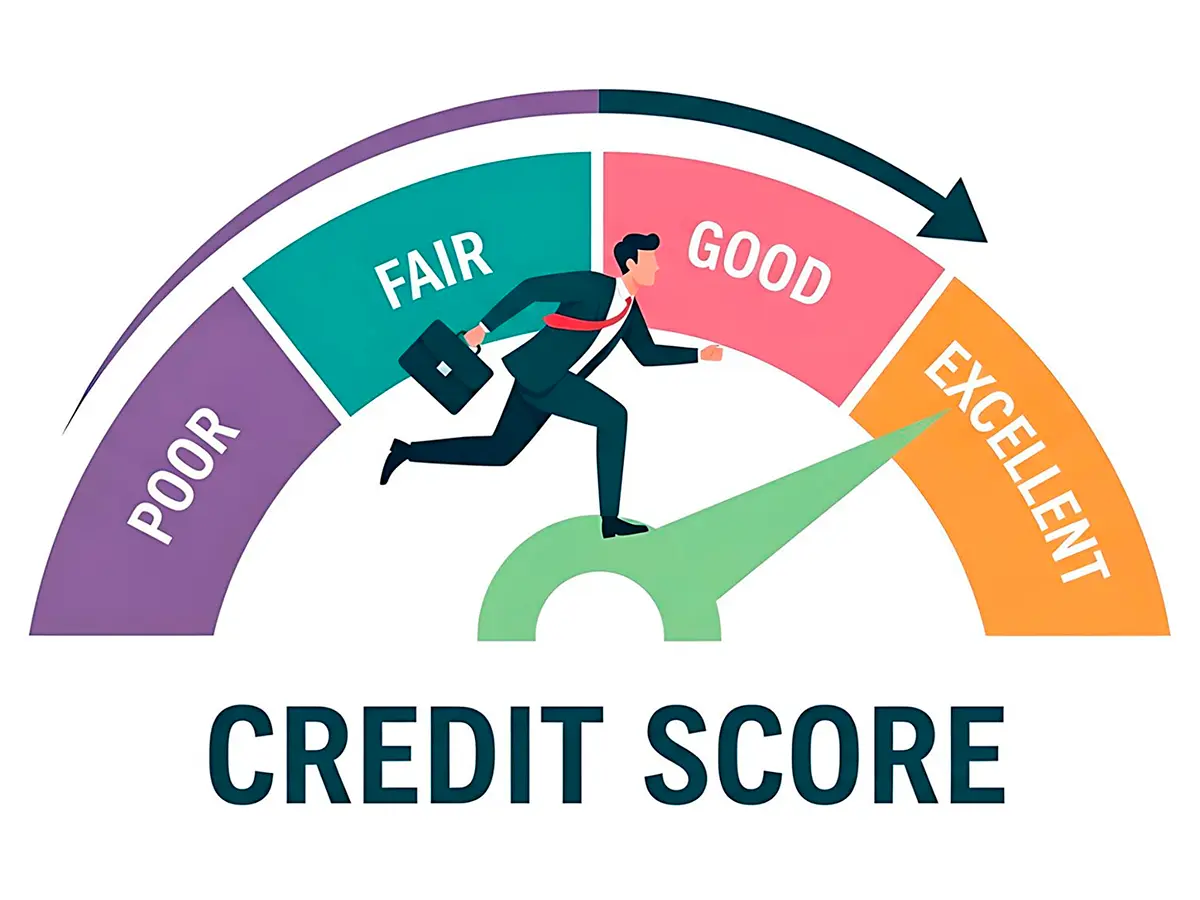
Built around established U.S. credit reporting practices and dispute procedures under the Fair Credit Reporting Act (FCRA). No unrealistic promises—just clarity, documentation, and structured credit improvement.
Unlock more options
Choose the outcome you care about. We’ll outline what improves it—and what to watch for—so you can move forward with confidence.
Your path to stronger credit
A stronger credit profile can mean better approval odds, improved loan terms, and more financial flexibility. Get a clear, no-fluff overview of what credit improvement can help you achieve — then take the next step when you're ready.
Credit decisions in the U.S. are typically influenced by payment history, utilization ratios, account age, recent inquiries, and the accuracy of reporting across major credit bureaus.
Even small inconsistencies can affect lending algorithms. A structured credit improvement approach focuses on verified data, responsible usage patterns, and consistent financial behavior.
*Results vary. This page does not guarantee outcomes.
How it works
A straightforward workflow used by reputable credit‑support programs: review, challenge what’s questionable, and build stronger habits while updates are processed.

Review your starting point
Clarify your goal and look at what’s currently affecting approvals and terms.

Identify what can be challenged
See what information is typically needed, what to expect next, and how the workflow usually looks.

Move forward
Continue to explore available options and take the next step toward better credit outcomes.
how to clean up your credit fast without guesswork
Speed comes from proof and fairness. I favor steps that create verifiable corrections, not shortcuts that backfire. You likely will not fix everything overnight, but a focused week or two can surface errors, cut utilization, and document wins lenders recognize.
Build a verified picture
Collect your full reports from all three bureaus and scan for inaccuracies, duplicate collections, wrong balances, and misapplied late payments. Freeze your credit while you work if fraud is a possibility. Highlight each negative item and decide: incorrect, unverifiable, or valid but negotiable.
Actions that can move scores quickly
- Slash revolving utilization. Pay cards down so each reports under 30% - ideally under 10% - of its limit. After paying, call the issuer and ask for a one-time mid-cycle balance update; it is not guaranteed, but some will push new data to bureaus within days.
- Dispute errors with documentation. For wrong lates, duplicate debts, or mistaken balances, file disputes and attach bank statements, confirmations, or identity-theft reports. Bureaus generally have 30 days to investigate. Clear, dated proof wins.
- Validate collections. Request written validation from the collector. If they cannot verify, ask the bureau to remove the tradeline. Keep copies of every letter and response.
- Goodwill adjustments. If you have a single late with years of on-time history, politely request a goodwill removal. Outcomes vary, yet respectful, well-documented requests sometimes succeed.
- Negotiate fairly. Some collectors allow pay-for-delete; many do not. If offered, get the agreement in writing before paying. If not, a settled and accurately updated account can still reduce risk in a manual review, and newer scoring models tend to weigh paid collections less.
- Optimize authorized-user impact. Remove yourself from any AU card with high utilization or lates; consider joining a well-managed account with low utilization and long history - only with full trust and transparency.
- Protect points you already have. Pause new hard inquiries. If rate-shopping a loan, keep quotes within a tight window that most scoring models group as one inquiry (often 14 - 45 days).
A brief real-world moment
On a Tuesday lunch break, I reviewed a client file and spotted a card reporting the same past-due balance to two bureaus but marked current on statements. We submitted the statements, payment confirmations, and a concise dispute. The bureaus corrected both lines the next cycle; her score rose noticeably - about 40 points. Results vary, but clean proof moves quickly.
Prepare for verification - and speed
- Keep receipts, settlement letters, and dispute IDs in one folder.
- Ask creditors to push updates once balances post; some will confirm by letter.
- Consider lender-driven rapid rescoring if you are mid-mortgage. It is not magic - it only updates verified changes - but it can reflect corrections in a few days.
Lock in gains
Enable autopay for at least the minimums, schedule paydowns before statement dates, and avoid closing your oldest accounts. If your profile is thin after cleanup, a secured card or credit-builder loan can help - after disputes settle - so you do not add noise mid-process.
Fast progress depends on what is true on paper. Lead with evidence, act fairly, and document everything. I cannot promise a specific score jump, yet this sequence reliably turns scattered issues into verifiable improvements - and that is the kind of speed that lasts.
1. Request your credit reports - 2. Review your credit reports - 3. Dispute credit report errors - 4. Pay off any debts.
Join Our FREE Start Repairing Credit Challenge: http://startrepairingcredit.com/ Charge-offs are one of the most unpredictable and damaging ...
Negotiate a settlement: You can try to settle debts for less than the full amount owed to get the accounts closed. - Pay the debt: If you can, ...
Frequently asked questions
A clear next step — without the guesswork
See what’s impacting approvals and what may deserve a closer look.
Understand how disputes are structured and what documentation matters.
Improve utilization, consistency, and long-term credit stability.
See what improving your credit could change
Take a structured next step based on your current profile — and decide with clarity.